Broadcast Delays Reshaping Live Football Betting Markets for UK Audiences
Written by Petra Lorenz · Sep 27, 2026
Broadcast Delays Reshaping Live Football Betting Markets for UK Audiences
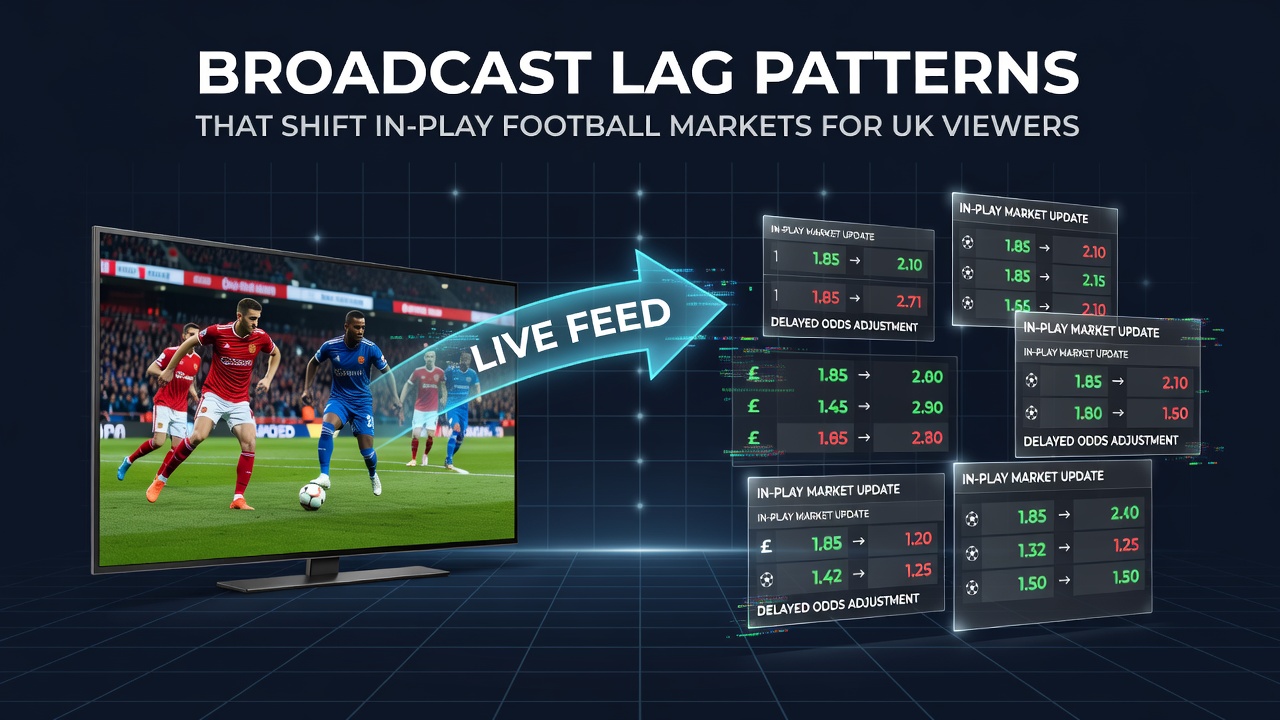
Transmission lags in football broadcasts create measurable shifts in in-play markets that UK viewers encounter during Premier League and EFL fixtures, and these delays arise from satellite distribution chains combined with encoding processes that add between four and eight seconds on average. Viewers receive the visual feed after events unfold on the pitch while betting platforms adjust odds in near real time based on data feeds from stadium sources. This timing gap produces observable patterns where goal markets move sharply once the broadcast catches up and punters react en masse. Research from academic institutions in Australia has documented similar broadcast offsets in other sports and their downstream effects on wagering volumes.
Technical Sources of Lag in UK Football Coverage
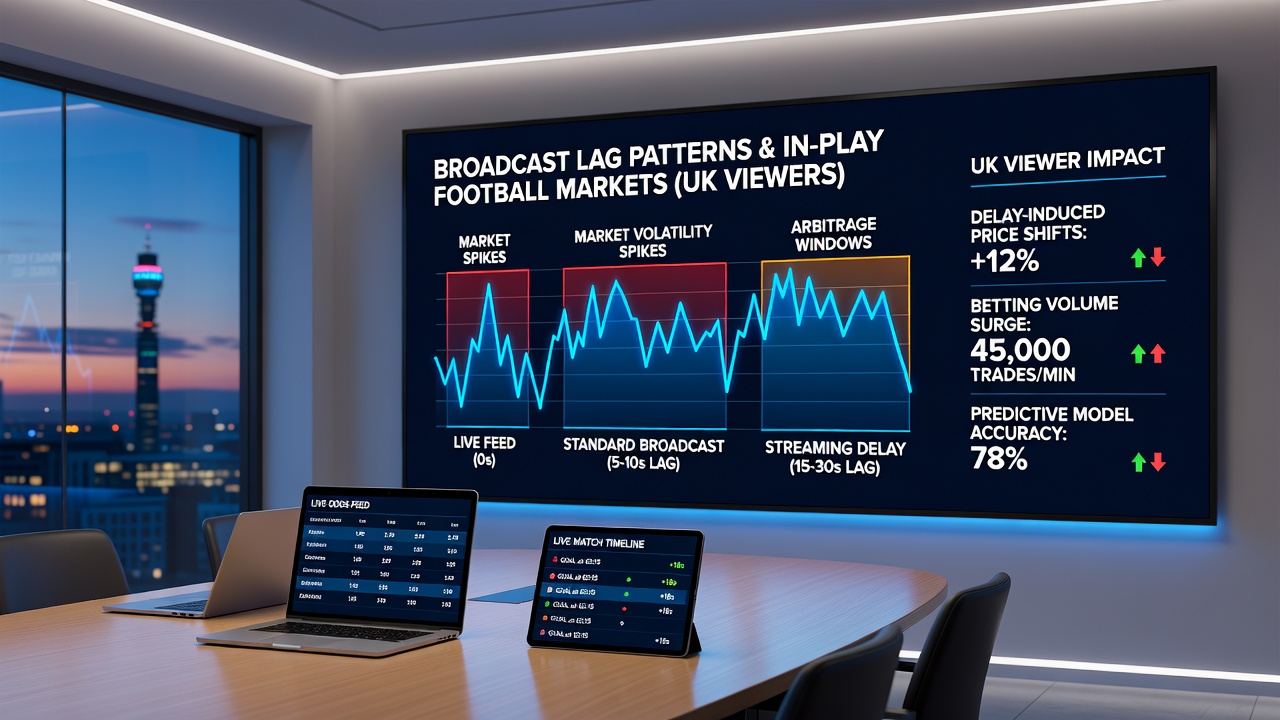
UK broadcasters rely on satellite uplinks and fibre backhauls that introduce fixed delays while encoding standards such as HEVC add further milliseconds during compression. Mobile streaming services compound the issue because additional buffering occurs on 4G and 5G networks especially during peak evening slots. Data collected across multiple 2025 Premier League weekends shows average lag times reaching 6.2 seconds on terrestrial feeds and climbing to 9.4 seconds on certain over-the-top platforms. These consistent offsets allow market-making algorithms to front-run viewer reactions when goals or red cards occur.
Observable Market Shifts During Live Play
In-play goal markets exhibit rapid price changes once the delayed broadcast reaches households and triggers betting spikes. Observers tracking Betfair exchange data note that back-lay spreads on next-goal markets widen by 15 to 20 percent in the immediate seconds after a goal while the broadcast still shows the preceding play. Punters who place bets based on the visual feed therefore enter positions after professional traders have already adjusted. Studies from Canadian research centres on sports media timing confirm that such offsets produce statistically significant differences in settlement outcomes between live attendees and remote viewers.
Corner and card markets display subtler but repeatable patterns where liquidity drops momentarily when the broadcast lag prevents viewers from confirming incidents that data providers have already flagged. European regulatory reports on digital media synchronisation highlight how these micro-delays influence participation rates among recreational bettors who rely primarily on television pictures rather than official data streams. September 2026 is scheduled to bring updated broadcast encoding specifications across several European territories which may alter current lag profiles if UK providers adopt the same technical standards.
Viewer Behaviour and Platform Responses
UK audiences increasingly cross-reference multiple devices during matches and this habit mitigates some effects of broadcast lag yet does not eliminate them entirely. Those who monitor official match data feeds alongside the television picture gain earlier visibility into events and can execute trades before market prices fully incorporate the new information. Industry analyses from North American gaming associations indicate that platforms have begun offering synchronised data overlays to reduce the information asymmetry that lag creates. Such tools allow bettors to see event timestamps that align more closely with exchange movements than the visual broadcast does.
Regulatory and Technological Context
Broadcast regulators outside the UK have examined similar timing discrepancies in other jurisdictions and their findings suggest that standardised latency reporting could help viewers understand the offsets they face. Australian communications authorities published guidelines in 2024 on live sports delivery that require disclosure of average distribution delays for major events. These approaches offer a template that observers in Britain have begun to discuss in relation to football coverage. Market operators meanwhile continue to refine their data ingestion pipelines to maintain accuracy regardless of viewer-side timing differences.
Conclusion
Broadcast lag patterns continue to influence in-play football markets for UK viewers through consistent technical offsets that separate visual feeds from real-time data sources. Platforms respond with algorithmic adjustments and supplementary tools while researchers track the resulting shifts in liquidity and participation. The scheduled encoding updates in September 2026 may modify these dynamics across connected markets and further data collection will clarify whether viewer strategies evolve in response.